

I recently had the chance to do a quick Hong Kong trip, for a friend’s wedding. I’ve been before though the last time was around 15 years ago. But things have changed, and so have I. The summary opinion is that Hong Kong is amazing, and I found it a curious mix between Singapore and Calcutta. This was confusing, but it wasn’t the only part that was. To wit.
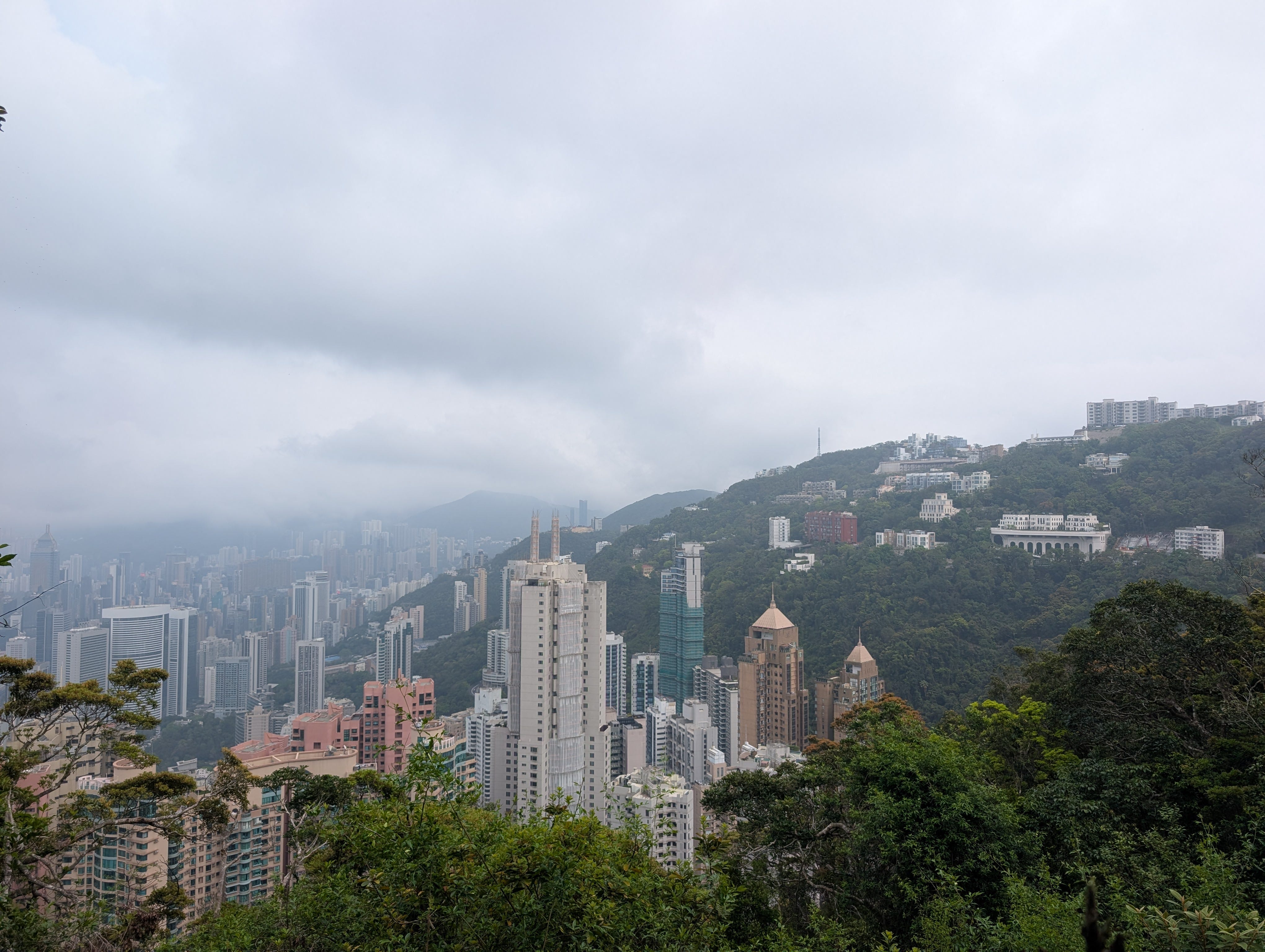
Hong Kong is absolutely gorgeous. The sight of the skyscrapers against the mountain backdrop is divine. The best of man set against the best of nature.
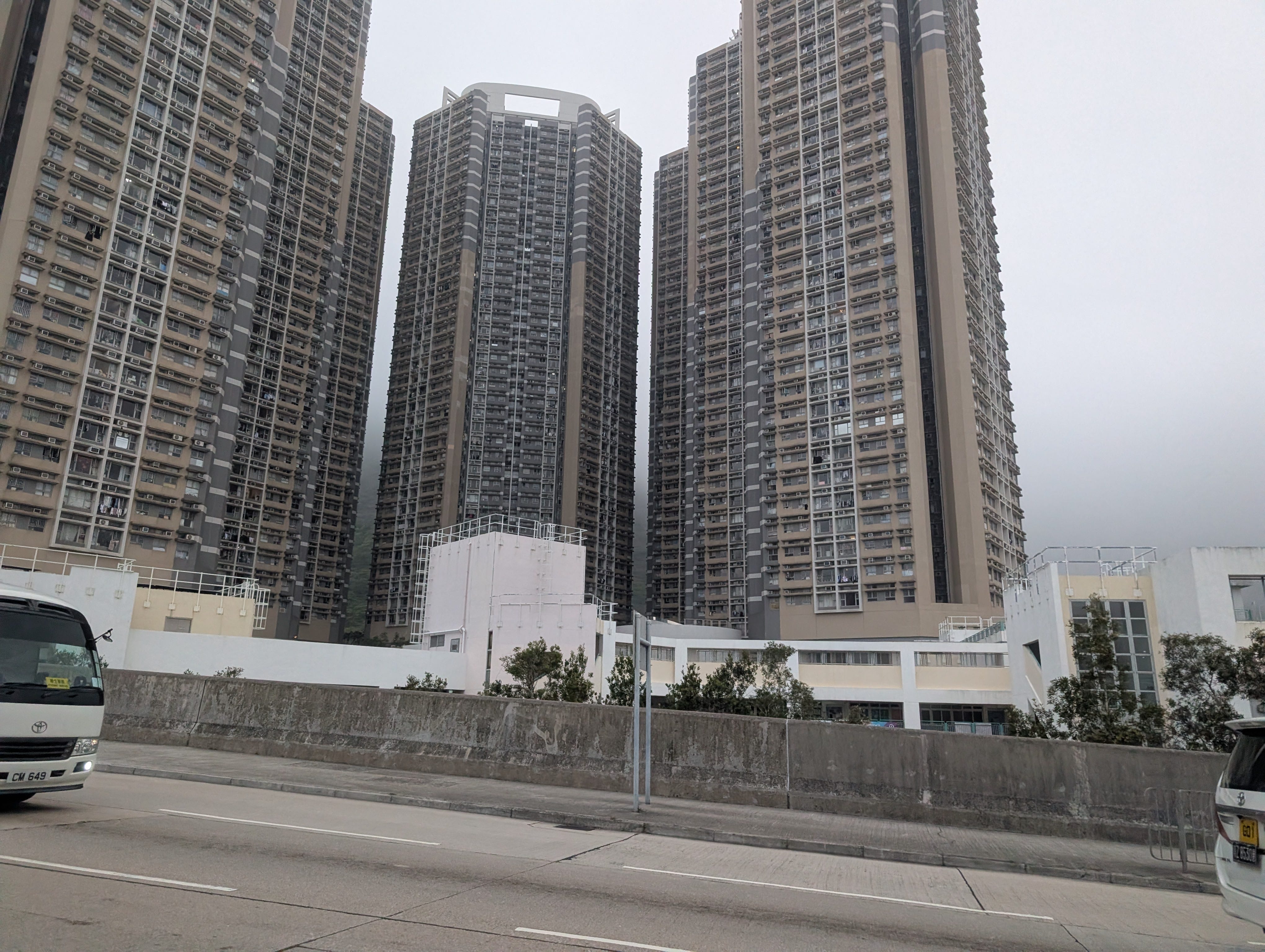
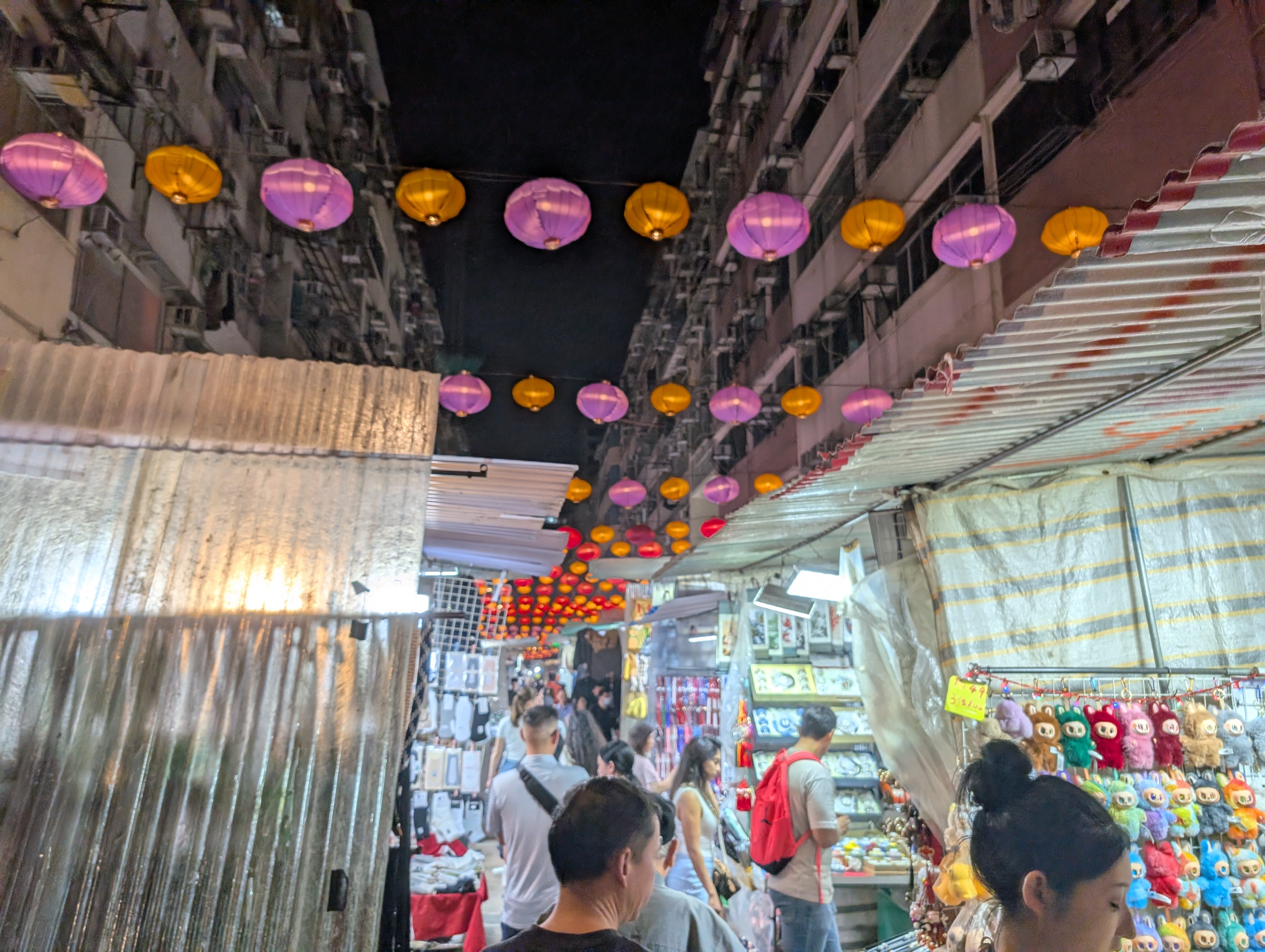
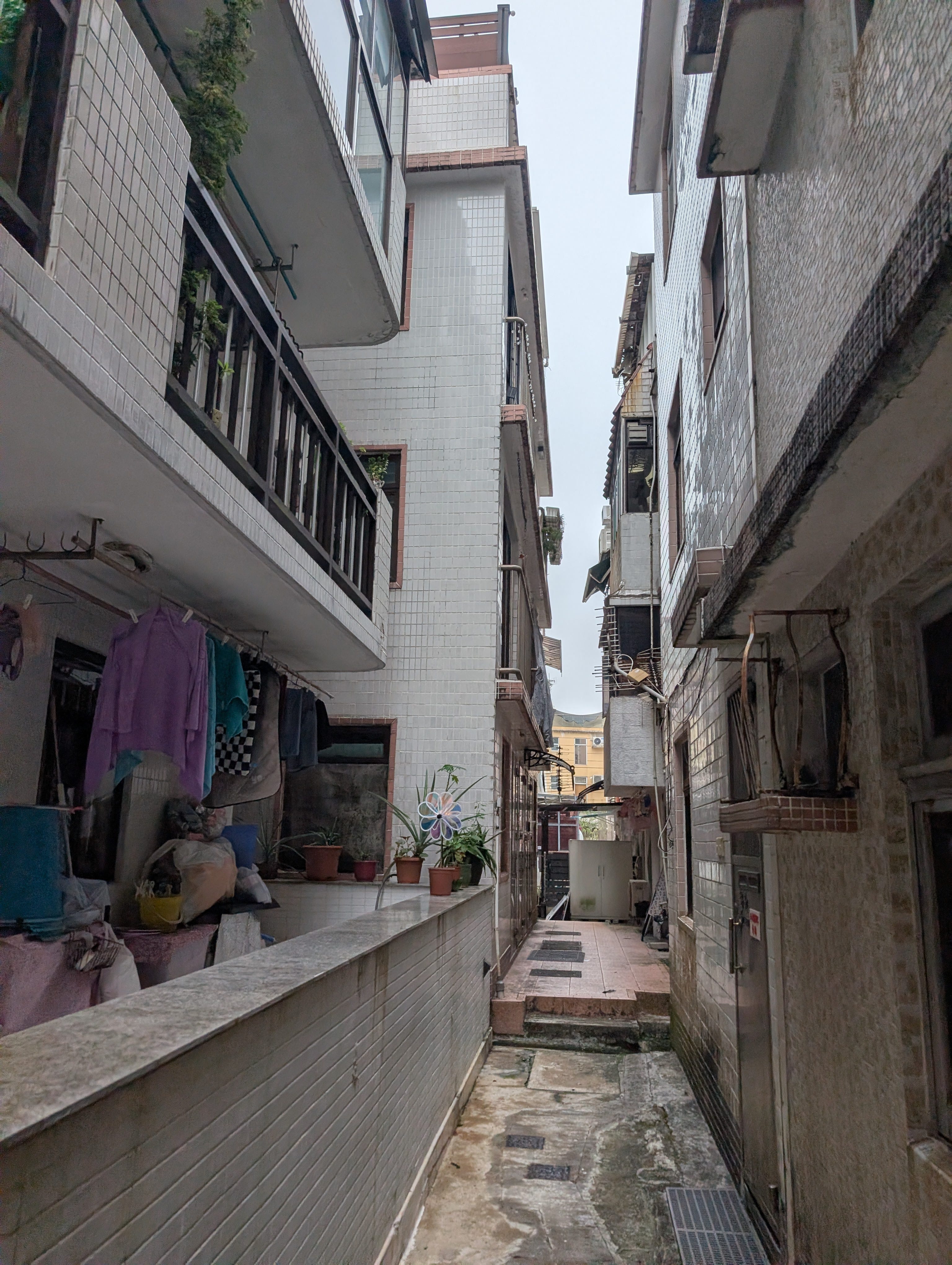
Hong Kong is also set in the past. Many of the skyscrapers are clearly old. And many are decrepit, in an absolute state of disrepair. I was told it was due to a combination of a) people not knowing who owned what since they were built so long ago and changing hands, b) there not being any concept of an HOA or a condo society to take care of maintenance, c) common practice of splitting up an apartment into 3-4 small holes so the outside too explodes with AC units, and d) something to do with organised crime. Maintenance truly is innovation.
An uber driver compared it to China, where he lived for many years, saying they don’t stand for this over there. They’d just demolish the old ones and rebuild, no questions asked.
He also said that Shenzen, a 13 minute train ride from Hong Kong, used to look like it - all mountainous and green - but when China decided to build there they demolished it to be much flatter and built on top of it. He seemed envious.
The density makes sense because only a small part of the islands are built up, and the house prices are absolutely insane. I was told even out in the suburbs, which are quite remote, a 2000 sqft house is like 3m USD. In the wonderfully named mid-levels it’d be 1/3rd the size.
Hotels are still cheaper than SF or NY or London though. By a lot. And nicer. And with nicer service. Asia is way nicer to travel to.
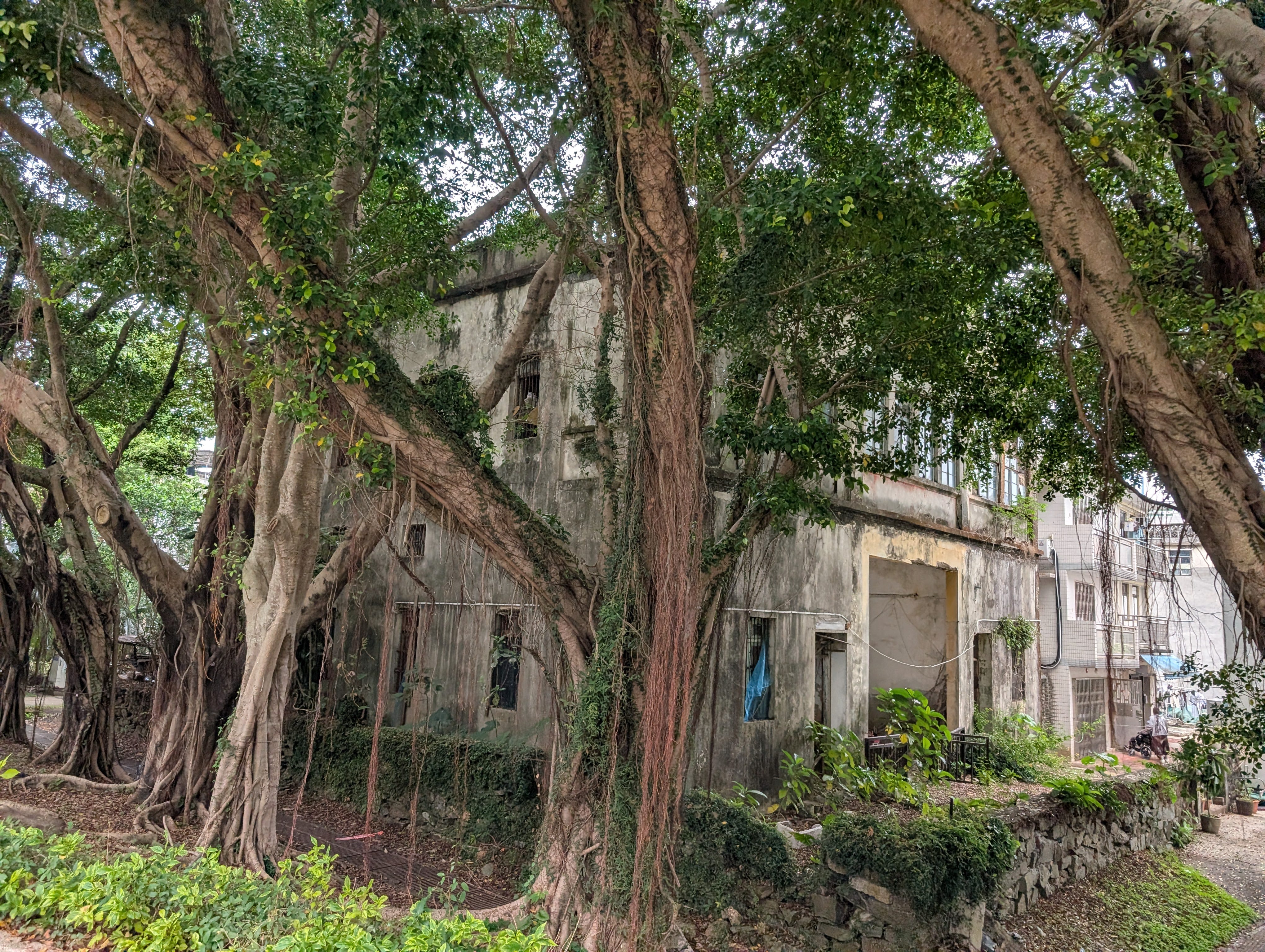
Speaking of suburbs, Hong Kong suburbs do NOT look like Singapore suburbs, which I was expecting. They are villages, especially in the New Territories. Small roads, uneven development, open sewers in some places, even older buildings, fish smell near the water, the works. This also means those places are untouched for the most part and look just like villages do in like Vietnam. And still only 30 mins driving to the city.
The sheer scale of building is a bit of a shock to the American sensibility. To know that sure, we can build bridges across canyons, build under water for driving tunnels between islands, roads, trains, multiple 80 storey skyscrapers next to each other on a 40 degree incline that is so steep I found it difficult to walk down. It’s a testament to what we can actually do if we have the will. Inspiring.
Claude and ChatGPT are blocked in Hong Kong. They now have Gemini as of a couple weeks ago. When I asked my friend what they used, they said “CopIlot”. I felt bad.
Folks routinely order things they want from China. Flowers and vases for the wedding ($0.5 cents per vase + flowers), electronics, most cars are BYD. The flip side is that ordering is highly error prone (eg some flowers didn’t arrive, some came damaged) but since the price is so low it works out. Not unexpected at all but interesting.
You see a large number of children every time you’re out - in the restaurants, in the parks, in cafes, on the sidewalk, next to the embankments - it’s wonderful, counterintuitive considering Hong Kong’s TFR, and again makes the US social scene seem so weird. Part of it’s that houses are tiny, domestic help is common, and dining out is a default option. More broadly though, the idea that kids should be with you whatever you’re doing as opposed to you make special arrangements for the kids to be looked after in your den if you want to go out seem like a clear crux. France as far as I know is the only other place where this attitude is most prevalent in the West, maybe parts of Scandinavia.
“There is no industry in Hong Kong, that’s why I went to China”, said by an Uber driver, who was a mechanical engineer, worked as an R&D supervisor in Shenzen, and moved back to Hong Kong after being forced to retire when he hit 60.
There are large numbers of masked people everywhere still. I think the scars of Covid 19 built on the scars of SARS and public attitudes have fundamentally shifted. Many of them wear it outdoors which is quite odd to see, or when driving alone. An interesting laziness vs prudence equilibrium.
The funicular tram to the top of one of the peaks is worth it. As is the hike once up top around the mountain. Absolutely wonderful. So is the Lokcha teahouse in Hong Kong Park.
There’s a street next to the water in Sai Kung which is filled with great coffeeshops, all eclectic and rather wonderful. Named whimsically, like Deer and Arm and Pan da, and Tales and Kachimushi and Winstons. They all have independent decor and cute tchotchkes everywhere and nice waitstaff and really good coffee.
This is new. Cafes didn’t used to be this way even a decade ago. There were a few who believed in the hippy way of life and cared deeply, but now it’s an easily consumable customer option. With all the usual options, from matcha to yuzu.The secret is better supply chains as I understand it. China consumption surged. Higher quality green coffee is a large chunk of imports, across the world. Local roasting got popular, exceptional coffee roasting facilities are ubiquitous. And coffee machine production doubled over the decade. Plus the machines are better, so the floor of barista skill to make a good latte is much lower. Another major capitalist win, even at the cost of absorbing the fringe cultures that brought it about and made it an Aesthetic.
The cafes have better options too, actual savoury food you can have alongside your coffee. This is one of western civilisations biggest blind spots, that the only things you see in a cafe to buy are croissants and cakes. Asia does this right!
The same proliferation due to globalisation also applies to bars. Even more so, actually, since the extra incentive to make things good is often less market forced and more intrinsic.
Lan Kwai Fong is fun, but normal. Also hilly, which is probably a plus considering street drinking.
Hong Kong does, and did, have a unique culture in movies, music. I grew up with it. But the visible manifestations of it being alive today are sparse. There’s an indie scene I’m told, but that’s true everywhere. Feels a loss.
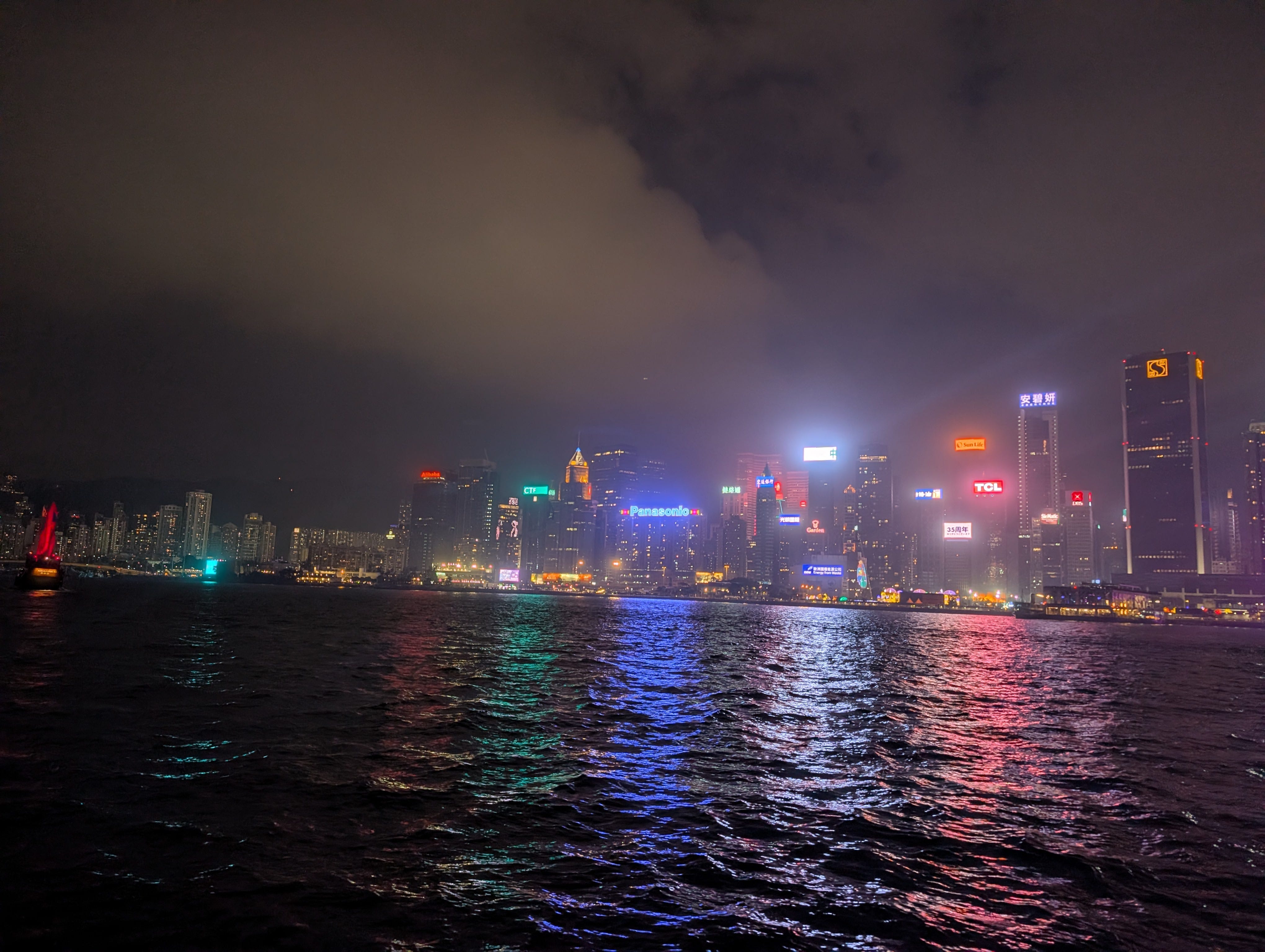
Because of the combination of old, decrepit and new, the city very much has a blade runner vibe. I could see stories come alive here of a slightly grungy dystopian flavour. This also makes it a better representative of Asia than, say, Singapore. I lived in Singapore for close to a decade and it’s intensely comfortable in just the way that Hong Kong isn’t. There are no sharp corners there, but Hong Kong does.
The upscale parts are standardized just as everywhere in the world. Same restaurants with same decor, same brands selling the same kinds of things (with some Chinese brands that are less visible in the West), same glass and black steel chromed architecture, trendy shops with a bit of wood and vaguely Scandinavian/ Japanese DNA mixed in somewhere, a Starbucks logo discreetly peeking out somewhere so it’s visible but not obtrusive. At a glance it’s impossible to say where you are, which does have a charm but also engenders a sense of placelessness. This is sort of why Tyler’s dining guide exists.
The feeling I got was that, seen from China, it used to be the future a couple decades ago, and now it’s stood still while it rose up. I had the same feeling about Japan, but here the upkeep is not nearly as good. So it remains an odd mix, with Singapore’s ultra modernist charm and greenery and upkeep alongside the unkempt remains of the 1950s and before that drastically require maintenance.
lovely observations, thank you for sharing! i'm a hk native but have lived away for 9 years now and visit every year. resonate with a lot of your thoughts here.
i like to say hk is truly a "3d city", especially in the summers in central. we travel between buildings through bridges, cross tunnels that go through mountains, trams and buses are double decker, the hilliness, etc.
another thing i love about hk vs the cities i've lived in in the us is the number of "shared spaces" where people hang out -- not just nightlife where ppl spill onto streets, but also children playing volleyball in courtyards, badminton on the curb, etc.
I love Hong Kong after living there before and after the handover. The first time I went back after a long break, I stayed just for a few days in Central and was sad to see the mainlandification of the place and the generic new malls. The second time, I stayed in Sheung Wan and the old Hong Kong of shops in crumbling buildings selling dried produce was, amazingly, still there. There was also, by chance, a photo festival with temporary "galleries" in random industrial buildings all over the city, which allowed me to see out of the way places I hadn't before. I don't know if I agree that Hong Kong got left behind. It was always a combination of flashy new and crumbling old. China proper just bulldozes people out of the way for its Stalin-o-capitalism schemes. No property rights for you, my friend. Infrastructure and property bubbles with negative investment returns aren't even good for the economy in the long run. Taiwan is a closer analogy to Hong Kong, with similar crumbling architecture and vibe (maybe also the smaller Chinese cities in Fujian). I think that might be more to do with actually existing property rights than anything.